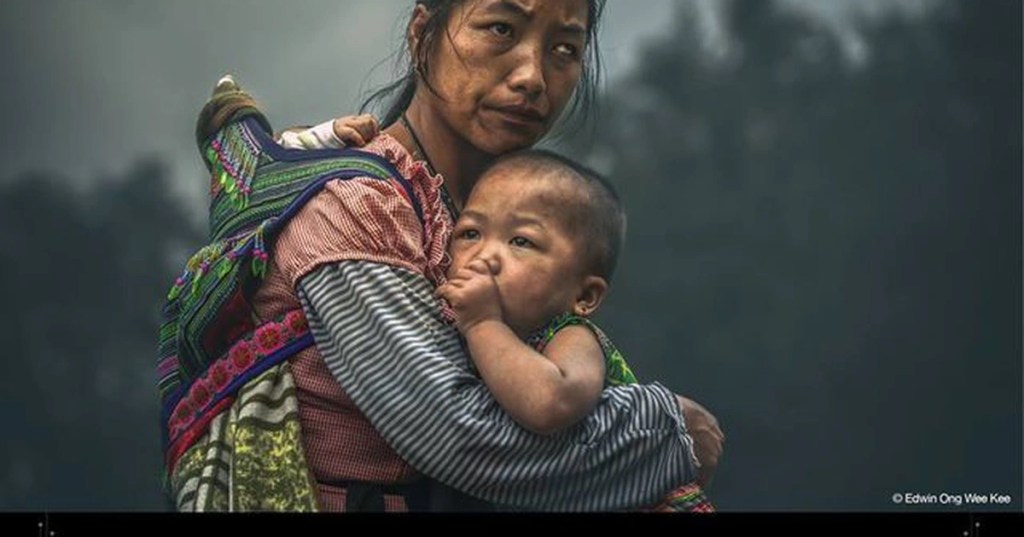
The H’Mông People
The Historical Origins of the H’Mông People: A Journey of Over 5000 Years
Origins from the North
The H’Mông people, one of Vietnam’s long-standing ethnic minorities, originated from the north.  According to Chinese historical records
  and legends, their ancestors first appeared in the middle and lower reaches of the Yangtze River
  over 5000 years ago.
During this period, a tribal alliance led by Chief Chiyou was formed  . He was known as the king of “Jiuli,” a powerful confederation of tribes at the time.
  However, at the same time, another tribal alliance led by Xuanyuan emerged in the upper reaches of the Yellow River.
  The conflict between these two alliances lasted for many years, eventually ending with the defeat of Jiuli. Xuanyuan ascended the throne and became the Yellow Emperor (around 2700 BCE), marking a significant turning point in regional history.
The Formation of Sanmiao and the Battle for Territory
Under the reign of emperors Yao, Shun, and Yu, a new tribal alliance called “Sanmiao” or “Youmiao”  emerged as a formidable force.
  They fiercely resisted the expansion of dominant powers of that era.
Between the 16th and 11th centuries BCE, most of the “Sanmiao” inhabitants and other ethnic groups in the middle reaches of the Yangtze River became known as the “Jingchu” people.  Among them, a more influential group was called “Jingman.” These tribes had a thriving economy
  and distinct culture
  . However, under the Yin and Zhou dynasties, the Chinese state regarded “Jingman” as a significant threat and continuously waged wars to control their territories.
Migration to the South
Over centuries of warfare, the H’Mông people were repeatedly pushed back. Initially residing north of the Yellow River , they were forced to migrate southward  as the Han influence grew stronger. With continuous conflicts
  and repeated defeats, they gradually moved towards the Yangtze River basin.
Subsequently, they continued migrating further south and southwest of China , settling in present-day provinces such as Hunan, Guizhou, Sichuan, Hubei, and Guangxi.  The Yuanjiang region became a vital settlement for them. However, their migration did not stop there.
  Due to increasing pressure from successive Chinese dynasties, the H’Mông people continued their migration to Southeast Asia, particularly to Vietnam
  , Laos
  , Thailand
  , and Myanmar
  .
.
 The Migration Journey of the H’Mong People to Vietnam: Over 300 Years of History
Origins and Migration Routes of the H’Mong People
According to Vietnamese ethnologists, most H’Mong people in the northern mountainous provinces originate from Guizhou, Guangxi, and Yunnan provinces (China).  Some groups in Thanh Hoa and Nghe An migrated to Vietnam through Laos.
The H’Mong migrated to Vietnam through various routes  and in multiple waves. Among these, three major migration waves marked the establishment of the H’Mong community in Vietnam.
Three Major Migration Waves of the H’Mong People
First Wave: Over 300 Years Ago (Late Ming – Early Qing Dynasty)
 Around 100 H’Mong households, mainly from the Lu and Giang clans, migrated from Guizhou to Dong Van, Ha Giang.
- Reason: The failure of the Miao uprising against the Ming Dynasty’s “Gaitu Guiliu” policy.
- From Dong Van, they continued migrating deeper into northeastern Vietnam.

Second Wave: Over 200 Years Ago
- More than 100 households, mainly from the Vang, Ly, Lu, Chau, Sung, Hoang, and Vu clans, moved into Dong Van, Si Ma Cai, and Bac Ha (Lao Cai).

- Around 30 households from the Vu and Sung clans migrated to the Northwest.

- After settling in the Northwest, many families dispersed to other provinces such as Son La, Lai Chau, and Dien Bien.

Third Wave: Over 150 Years Ago (1840 – 1868)
- This was the largest migration wave, with more than 10,000 people from Guizhou, Guangxi, and Yunnan.
- They migrated to Ha Giang, Lao Cai, Yen Bai, and other northern mountainous provinces.
- Reason: The Taiping Rebellion (1840 – 1868), in which many Miao people participated in the uprising against the Qing Dynasty.
- After that, the H’Mong continued to migrate to the Northeast and Northwest, forming long-established communities.

Later Migration Waves
- Small groups of H’Mong people continue to migrate to Vietnam annually.

- Main migration route: Dong Van
 Tuyen Quang.
 - H’Mong groups in Thanh Hoa, Nghe An, and Son La migrated from Laos over the past 100 years.

- Districts such as Mai Son, Moc Chau, Sop Cop, and Song Ma (Son La) became destinations for H’Mong migrants from Laos.
Modern Migration Trends
- Since the Doi Moi (Economic Renovation) policy (1986), H’Mong migration has increased in two main directions:
 North – South: Migration from northern mountainous provinces to the Central Highlands and southern Vietnam. East – West: Migration from the Northeast to the Northwest.
 - The number of provinces with H’Mong residents is increasing, adding to cultural diversity.

The H’Mong Community in Vietnam Today
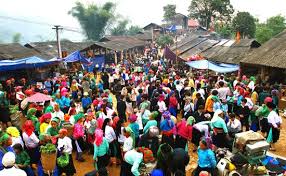
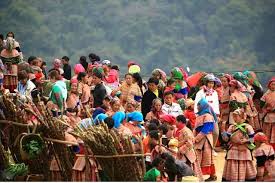
- Currently, the H’Mong are one of Vietnam’s largest ethnic minority groups, primarily residing in Ha Giang, Lao Cai, Son La, Lai Chau, Dien Bien, Yen Bai, and some Central Highlands provinces.
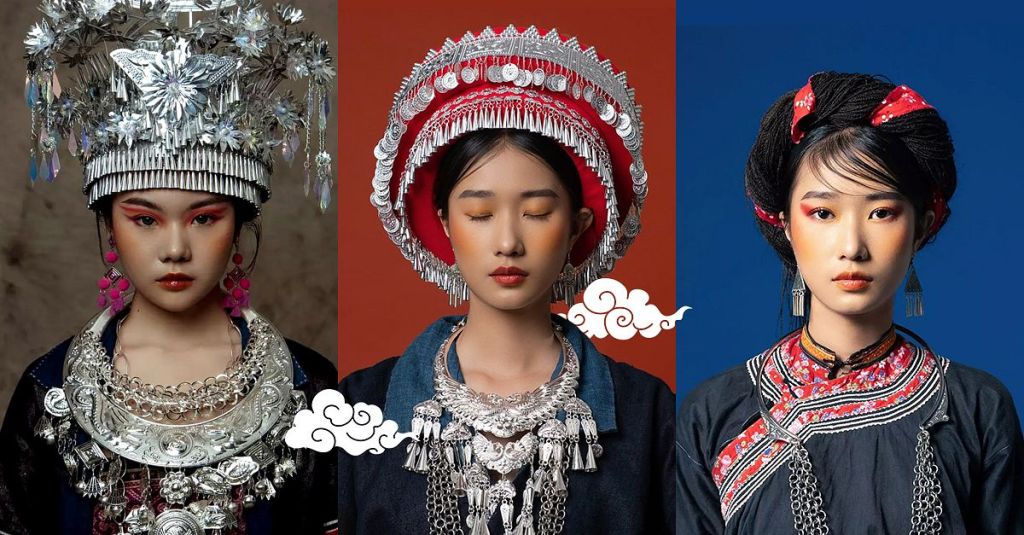
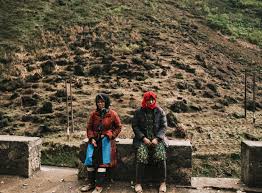
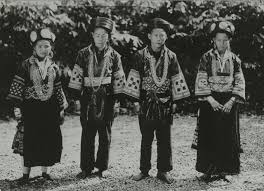
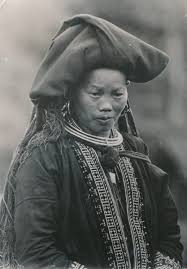
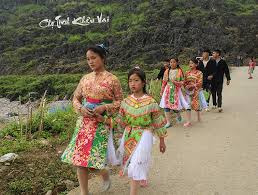
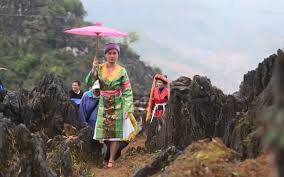
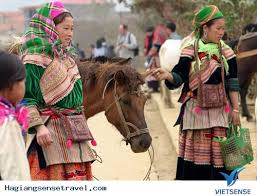
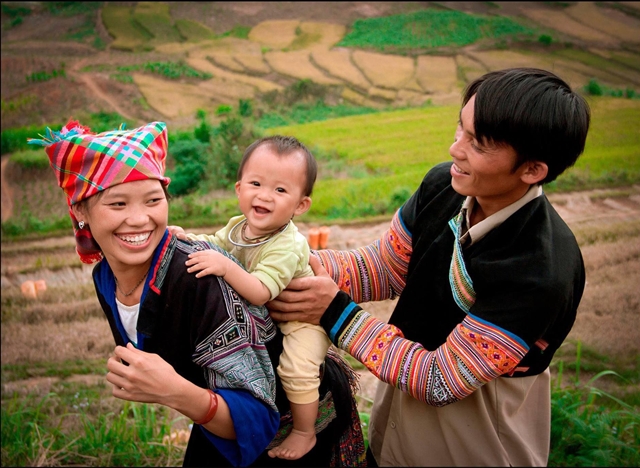
- They preserve their unique cultural identity through traditional clothing
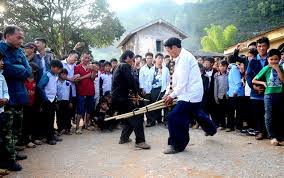
 , the Gau Tao festival
  , wedding customs
  , and distinctive cuisine
  .
. - The H’Mong community continues to grow, contributing to Vietnam’s rich cultural tapestry.

Conclusion
The migration of the H’Mong people is a remarkable historical journey marked by resilience and adaptability.  Through centuries of movement, conflict, and integration, they have established a vibrant and enduring presence in Vietnam. Today, their cultural heritage remains a vital part of the nation’s diversity.
THE BITTER HISTORY OF A LOST NATION
The H’Mông People – A Wandering Nation Through History
The more we learn, the more we are amazed by the heroic yet tragic history of an unfortunate ethnic group – the H’Mông people. Once a strong and proud nation, they gradually became a highland ethnic group, scattered mainly across Southeast Asia due to political and social upheavals.
1. The H’Mông People – Footprints Across the World
 Today, there are over 12 million H’Mông people worldwide, primarily residing in: • China: The majority of the H’Mông population. • Vietnam: Mainly in the northern provinces (Hà Giang, Lào Cai, Lai Châu, Sơn La, Điện Biên…). • Laos & Thailand: Scattered in highland regions. •
  United States: Around 80,000 H’Mông people resettled after the Indochina Wars.
The H’Mông People and the Miao Ethnic Group Ancient Chinese records referred to the H’Mông as the Miao people, categorizing them into two groups: Shu Miao (熟苗) – The assimilated H’Mông who integrated into Han Chinese society. Sheng Miao (生苗) – The independent groups that maintained their unique culture and lived in isolation.
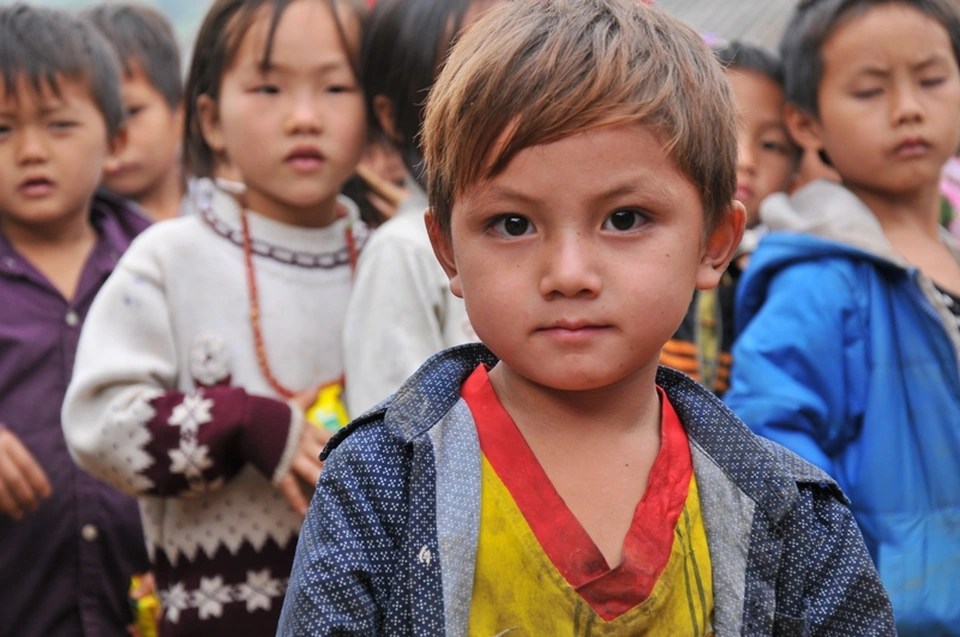
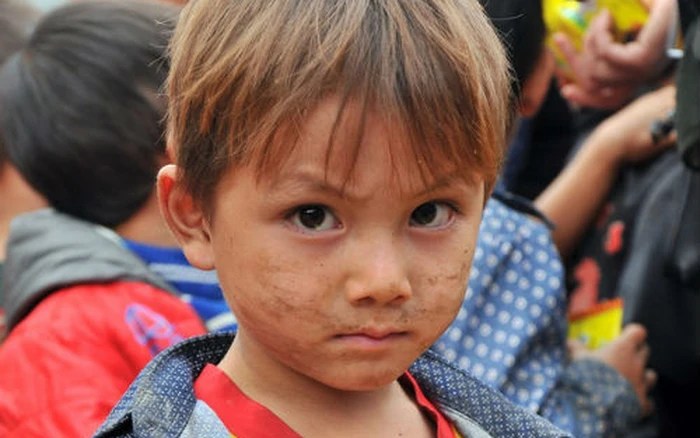
When Western missionaries first encountered the H’Mông in the 17th century in Sichuan and Yunnan, they were surprised to find individuals with distinct features, including blonde hair and blue eyes. 
2. A Relentless Struggle Against China
Chinese history acknowledges the H’Mông as the first enemies of the Han people. For thousands of years, they resisted various Chinese dynasties, from the reign of the Yellow Emperor (2698–2598 BC) to the Qing Dynasty (1644–1911).
Major H’Mông Uprisings Against China:• Tang Dynasty (618–907): The H’Mông were relentlessly pursued by the imperial army. • Ming Dynasty (1368–1644): The H’Mông revolted but faced brutal suppression. •  Qing Dynasty (1644–1911): A series of major uprisings occurred, notably led by H’Mông King Vàng Chí Méng (1855-1864).
 Outcome: After centuries of warfare, the H’Mông were driven out of their ancestral lands, forcing them to migrate southward to Vietnam, Laos, and Thailand.
3. A Forgotten History – The H’Mông in Western Literature
 The book “Histoire des Miao” (History of the Miao People) by F.M. Savina (published in 1924) was the first comprehensive documentation of the H’Mông people.
 Key Findings from Savina’s Research: The H’Mông had no written script, passing down their history through oral traditions. They practiced a polytheistic belief system, worshiping nature and their ancestors. Due to centuries of persecution by Chinese dynasties, they were forced to migrate southward.
4. The H’Mông Today – Rising Above Fate
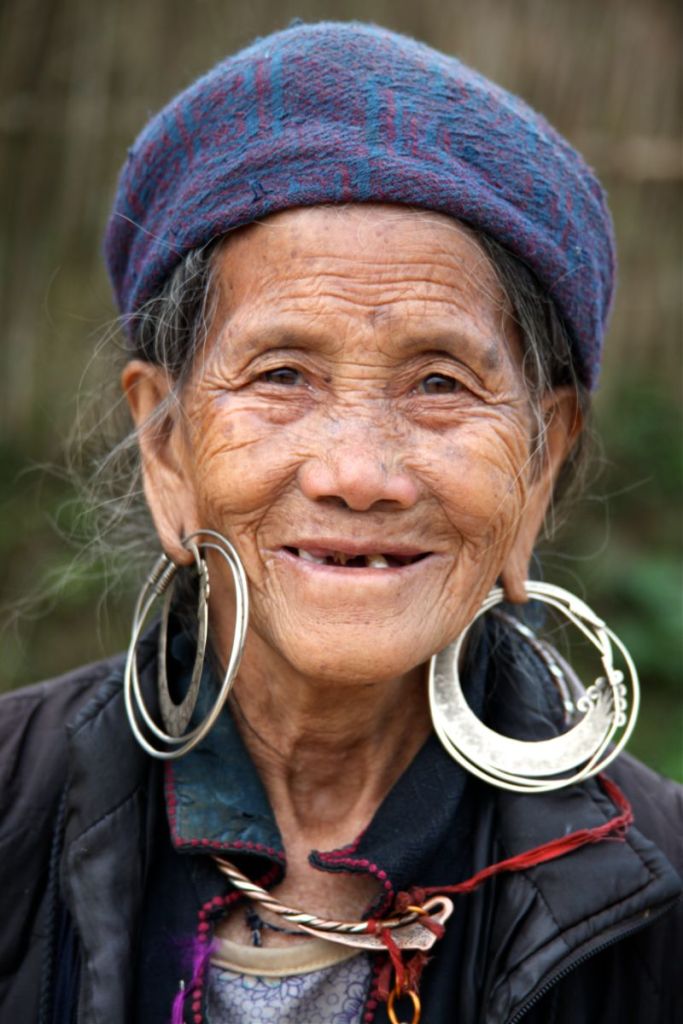
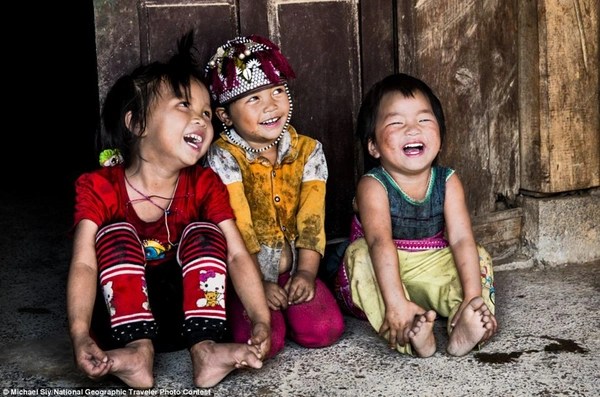
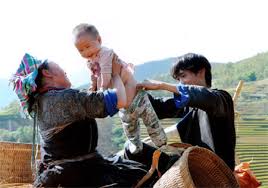
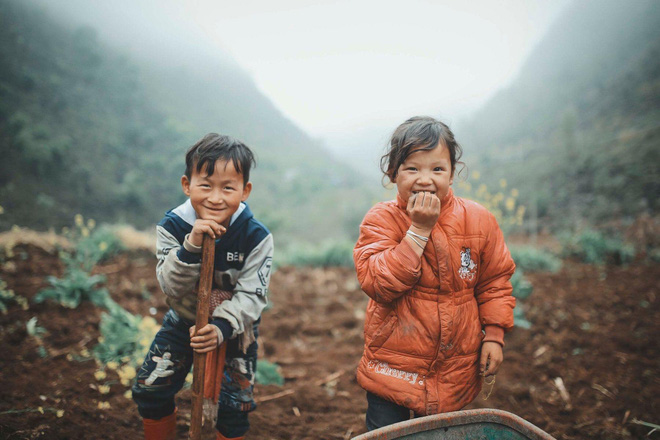
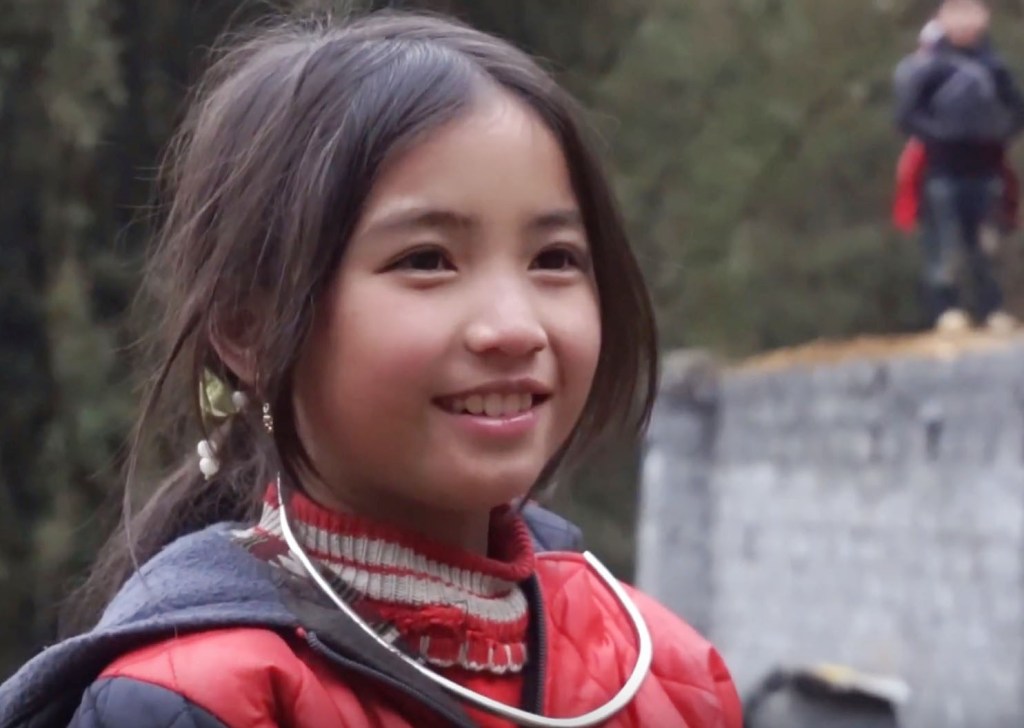
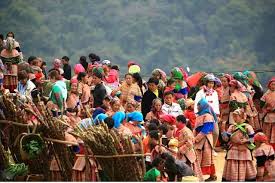
 In Vietnam, the H’Mông primarily live in mountainous regions, preserving their unique culture through traditional clothing, language, and festivals (such as Khâu Vai Love Market and Gầu Tào Festival).
 In modern times, the H’Mông have begun integrating into society through:
  Community tourism (homestays, local tour guides in Sapa and Hà Giang). Traditional crafts and trade (hemp weaving, corn wine, handmade textiles). Education & technology, with many H’Mông individuals becoming entrepreneurs, teachers, and artists.
5. Conclusion – A Resilient Nation
Despite thousands of years of suffering, the H’Mông have never been fully assimilated. They have persevered, holding onto their language, culture, and traditions with great pride.
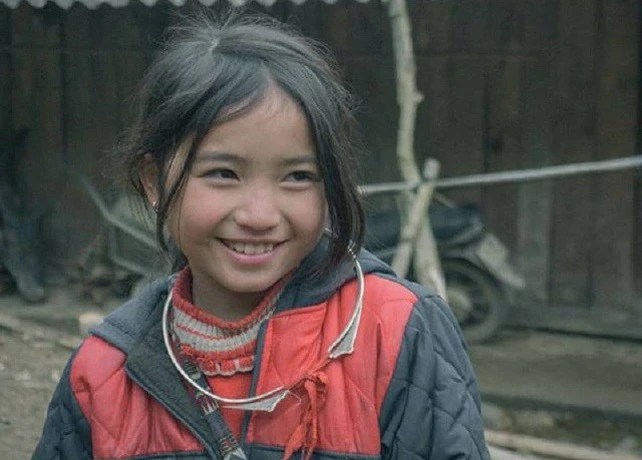
 Today, when you travel to Vietnam’s highlands, take some time to learn about the H’Mông people. Behind their warm smiles lies a history of resilience, hardship, and unwavering pride!
 What are your thoughts on the history of the H’Mông? Share your opinions below!
#HmongHistory #EthnicGroupsVietnam #CulturalHeritage #MigrationJourney #SEOOptimized



Time Travel’s Ha Giang Discovery Tours
Services

Big Loop Tour
Join the Big Loop Tour Ha Giang – Cao Bang – Ba Be to explore majestic mountains, Ban Gioc Waterfall, Ba Be Lake, and the unique culture of Northeast Vietnam. Book your tour now!
Cultural Experience Tour
Immerse yourself in the rich cultural heritage of Hà Giang with Time Travel’s Cultural Experience Tour. This journey takes you to ethnic minority villages, where you can participate in traditional activities such as weaving, brewing corn wine, savoring local cuisine, and engaging with the local people. The tour also includes visits to iconic landmarks and offers a deep dive into the authentic local lifestyle.

Ha Giang Private Tour
Experience Ha Giang your way with our Private Tour! Explore breathtaking landscapes, mountain passes, and local culture on a fully customized itinerary. Book now for a unique adventure!
Contact us
Welcome to a world of limitless possibilities, where the journey is as exhilarating as the destination, and where every moment is an opportunity to make your mark on the canvas of existence. The only limit is the extent of your imagination.



 time trvel Tour
Leave a comment